AML & KYC in Live Table Games: What International Players Must Verify Now
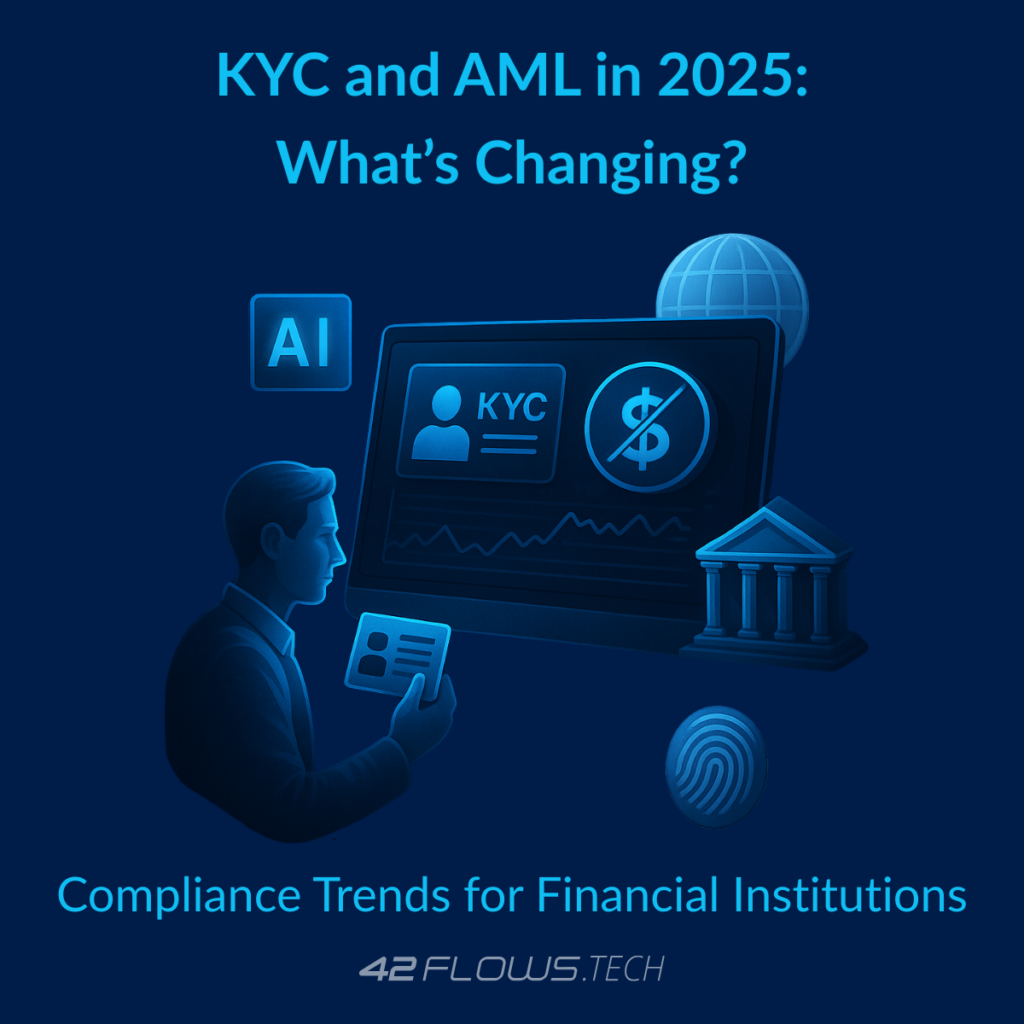
The world of international online table games is experiencing a profound shift, one that extends far beyond the virtual felt and live dealer studios. While players are captivated by the immersive experience of Evolution’s Lightning Roulette or the strategic depth of a Playtech live blackjack table, a silent but critical process is reshaping the player journey. Regulatory scrutiny is tightening around Anti-Money Laundering (AML), Know Your Customer (KYC), and ongoing customer monitoring, fundamentally altering how international platforms onboard and retain players. For the discerning international player, understanding these requirements is no longer just about compliance; it’s a crucial strategy for seamless access and uninterrupted play in an increasingly regulated digital casino landscape.
The New Frontier: Why Your Identity is the Ultimate Bet
Gone are the days of anonymous sign-ups with just an email address. The current regulatory environment treats online gaming platforms, especially those offering live table games with real money stakes, with the same seriousness as traditional financial institutions. Authorities from the Malta Gaming Authority and the UK Gambling Commission to the Curacao Gaming Control Board are mandating stricter frameworks. This global push aims to prevent illicit financial flows, protect the integrity of games, and safeguard players themselves. For you, the player, this means your identity is the foundational wager before any chip is placed. Platforms like Bet365, 888casino, and LeoVegas now require robust verification not as a bureaucratic hurdle, but as a non-negotiable step to ensure a secure and fair environment for all participants.
The Core of KYC: Documents You Will Need
The KYC process typically unfolds in tiers. Initially, you will be asked to provide basic personal information such as your full legal name, date of birth, and residential address. This seems simple, but accuracy is paramount; a mismatch between your registered details and your official documents will cause immediate delays. The next, and most critical, stage involves document submission. A government-issued photo ID, such as a passport or driving license, is almost universally required to confirm your identity. To verify your stated address, operators will request a recent utility bill, bank statement, or official tax document, usually not older than three months. Some jurisdictions or specific platforms may also require proof of the source of funds or wealth, especially for higher-tier players, which could involve showing a bank statement or a payslip.
Navigating the Verification Process Smoothly
A proactive approach can turn verification from a days-long wait into a matter of hours. Before you even register, ensure you have high-quality digital copies or photos of your required documents. When scanning or photographing, make sure all four corners of the document are visible, the text is clear, and there is no glare. Always use the exact same name and address as they appear on your official paperwork; nicknames or abbreviations can trigger manual reviews. If you encounter a request for additional information, respond promptly and through the platform’s designated secure channel. Remember, reputable brands like PokerStars or William Hill have dedicated compliance teams, and clear communication with them is your best strategy for swift resolution.
AML in Action: More Than Just a First Check
While KYC is often seen as the initial gate, AML represents the continuous monitoring that happens throughout your time as a player. International operators are now obligated to scrutinize transaction patterns for behavior that might indicate money laundering, such as rapid deposits and withdrawals without meaningful play, or structuring deposits to avoid reporting thresholds. This ongoing analysis is deeply integrated into the player experience. You might find that your deposit method is suddenly restricted, or a withdrawal is held for additional review. This isn’t necessarily a reflection on you personally, but rather the platform’s automated systems flagging activity that deviates from your established norm or matches certain risk profiles.
Strategies for Frictionless Play Under AML Scrutiny
To minimize friction, establish consistency in your gaming habits. Using a single, verified payment method—be it Skrill, Neteller, or a direct credit card—is far preferable to constantly rotating between multiple e-wallets and bank accounts. Large transactions will always attract more attention. If you intend to deposit a significant sum, perhaps for a high-stakes session of live baccarat or a tournament series like the World Series of Poker Online, consider contacting customer support in advance to pre-notify them. Furthermore, be prepared to explain the source of larger deposits if asked. Transparency is your greatest ally; having a ready explanation, such as an annual bonus or proceeds from a sale, can expedite any review.
The Live Dealer Dimension: Enhanced Scrutiny in Real-Time Play
The live table game sector, powered by studios from providers like Evolution, Pragmatic Play Live, and Ezugi, presents unique considerations. The involvement of real dealers, physical cards, and roulette wheels in a broadcast environment adds a layer of tangible asset movement that regulators watch closely. Furthermore, the often higher betting limits associated with VIP live casino rooms make these areas a focal point for AML monitoring. Operators must ensure that the high-roller enjoying a private game of Salon Prive Blackjack has been through enhanced due diligence. For players, this means that accessing these premium experiences will invariably involve a more thorough vetting process compared to standard RNG table games.
Your Action Plan for Compliance and Access
Navigating this landscape requires a shift from a purely recreational mindset to that of an informed participant. First, always choose licensed and regulated international brands. A license from a reputable authority is a public promise of AML/KYC adherence. Second, treat your account verification with the seriousness of opening a bank account. Complete it fully at the outset to unlock all features and prevent future interruptions. Third, maintain open lines of communication with your chosen operator. If your financial situation changes or you plan a large transaction, a simple proactive message to support can prevent automated flags. Finally, keep your registered details up to date. If you move house, update your address promptly with both a new proof of address and your casino account to avoid any mismatch during a withdrawal process.
When Verification Feels Invasive: Understanding the Why
It is natural to feel that requests for personal financial documents are intrusive. The key is to understand that these measures are not designed to profile you as an individual, but to create a secure ecosystem. They protect you from fraud, ensure that winnings are paid to the rightful owner, and help keep criminal activity out of the gaming space, which in turn protects the legitimacy of the entire industry. A platform that asks rigorous questions is often one that takes its regulatory and player safety obligations seriously.
Playing Responsibly in a Regulated Environment
The heightened focus on financial behavior and player identity naturally intersects with the principles of responsible gambling. Operators are now often required to monitor for playing patterns that suggest harm, such as chasing losses or gambling at unusual hours, as part of their ongoing customer monitoring duties. This regulatory push dovetails with tools you should actively use: setting deposit limits, using reality checks, and taking advantage of self-exclusion options if needed. Remember, gambling should always be a form of entertainment, not a source of income or a solution to financial problems. If you feel your gambling is no longer controlled, seek help immediately from organizations like Gamblers Anonymous or GamCare. The modern, regulated online casino environment is built not just to entertain, but also to protect, making your awareness the most valuable chip on the table.

Written by